Funding a fair and sustainable future
Our research examines finance for adaptation, mitigation and loss and damage, highlighting how the public and private sectors must develop to enable finance to flow for a just transition. We explore the Global North’s responsibility for addressing gaps in climate finance, as well as the disproportionate toll climate change and unsustainable debt has on the Global South.

Latest research

Nov 2026
Nov 2026
Tracked investment in the blue economy has more than doubled in the last decade to USD 9.8 billion, but still falls short of the 550 billion needed annually
Investing in the sustainable ocean economy could avoid losses of USD 75-85 billion per year, while generating global benefits at a rate five times the value invested.
German automotive supply chains face threats from climate risks and require investment in climate adaptation
Germany’s GDP could fall up to 0.35% annually by 2050 as a result of global supply chains disruptions caused by climate change. This highlights how critical adaption finance is – but its current levels are falling short.
Oct 2026
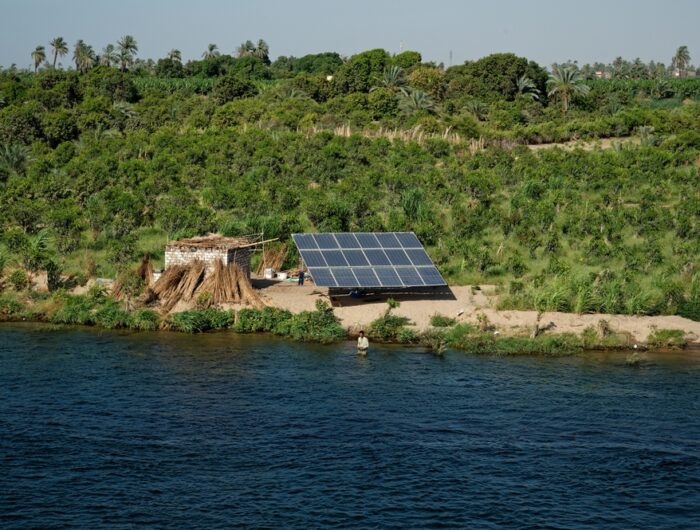
Capital expenditure on solar and wind projects in emerging markets could reach USD 356 billion by 2040 if current trends continue
While energy demand rises in EMDEs, so do investment opportunities in high risk regions. Through policy, regulation and guarantees, governments can address investment risks in electricity projects.
Oct 2026
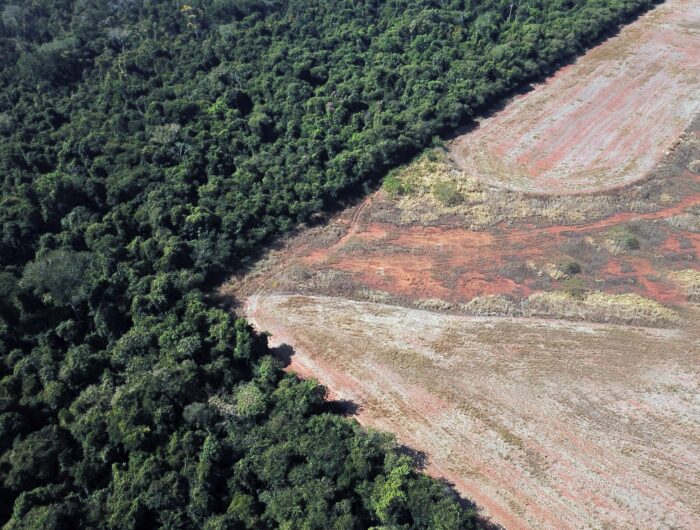
Safeguarding biodiversity for pharmaceutical innovation costs a fraction of shareholder payouts
The Cali Fund proposes voluntary contributions from companies using DSI, raging from 0.1% of revenue to 1% of global profits. For the top 15 pharmaceutical companies, this would amount to USD 756 million in 2025, 175 times less than what they paid shareholders in the same period.
Oct 2026
Renewable energy assets in emerging markets could help mitigate risk for Norway’s sovereign wealth fund
The world’s largest asset owner is seeking to reduce its exposure to geopolitical and concentration risk. Yet, unlisted renewables make up just 0.5% of its current portfolio, well below its 2% cap.