
• Energy
    • Oil and gas
    • Coal
    • Emissions
    • Renewables
    • Technology
  • Policy
    • International
    • Africa
    • Asia & Pacific
    • Europe
    • North America
    • South America
  • Nature
    • Food and farming
    • Plants and forests
  • Finance
    • Public finance
    • Private finance
  • Science
    • IPCC
    • Oceans
    • Temperature
    • Extreme weather
  • Insights
    • Briefings
    • Series
    • Newsletters
    • Unlocking key terms
  • ZCA In The Media
Uncategorized

Posted on: Nov 2026

Reading time: 3 min

Uncategorized

Posted on: 23 Nov 2026

Reading time: 3 min

Share:

What is electrification?

What is electrification?
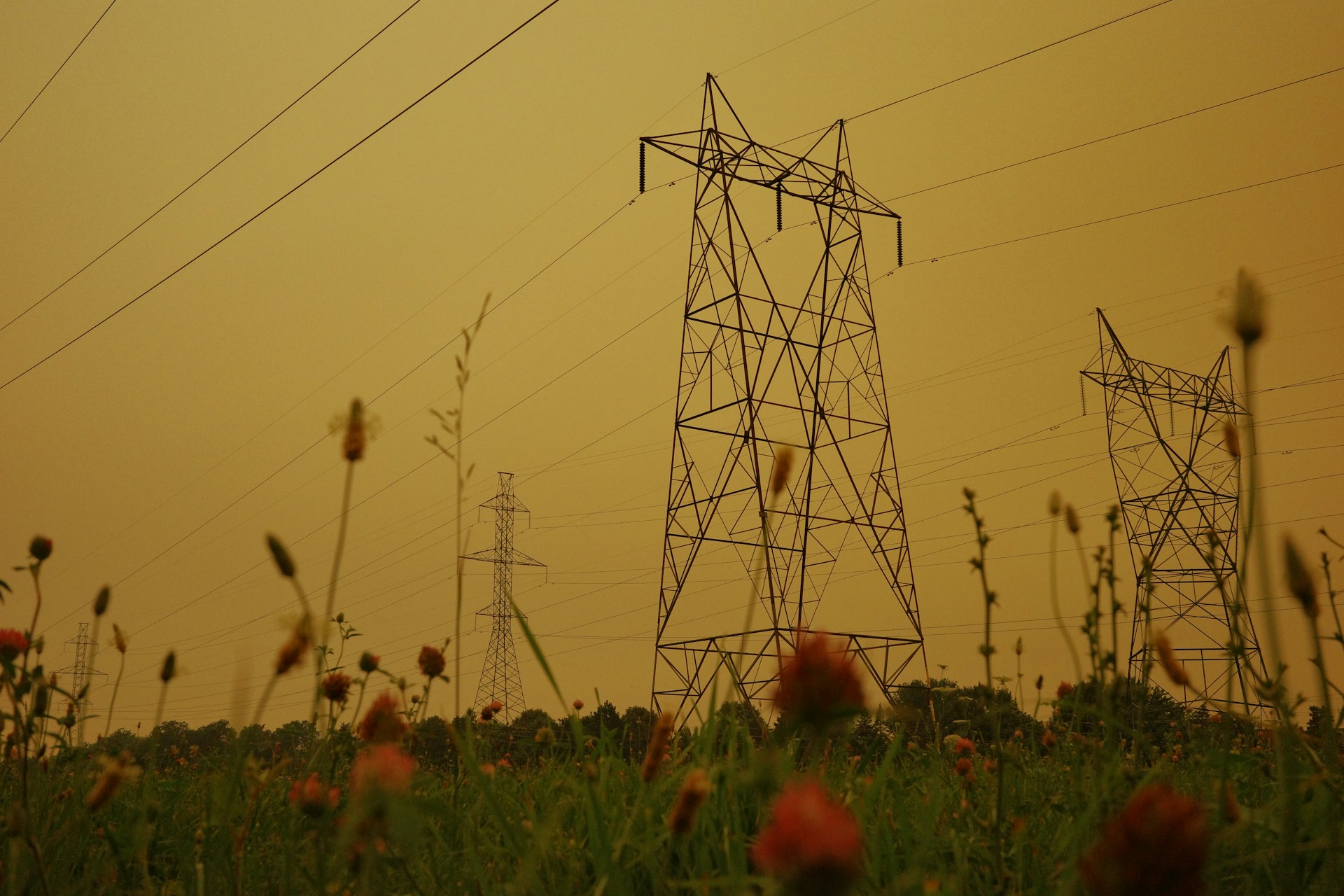
Jerry Wei, Unsplash
Jerry Wei, Unsplash
Key points
  • Electrification is critical to reducing emissions and achieving the world’s climate goals – yet this concept is often misunderstood.
  • End-use electrification refers to replacing fossil fuels with electricity in existing economic activities, such as transitioning from combustion-engine to electric cars, swapping gas stoves for electric ones, and replacing industrial gas boilers with electric heat pumps.
  • Electrification vastly reduces overall energy use because it is more efficient than traditional technologies that burn fuels.
  • However, to effectively decarbonise the global economy and bolster energy security, demand-side electrification needs to go hand-in-hand with a supply-side transition to clean energy technologies such as wind and solar. 

Electrification defined

Demand-side electrification means switching from energy technologies that burn fuels at the point of consumption to electric alternatives. Doing so reduces wasted energy because electric technologies convert a far higher share of energy into useful output relative to combustion systems, which incur substantial heat losses. In other words, electrification delivers real efficiency gains, and can help reduce fossil fuel demand. For example, while combustion-engine vehicles convert only about 16–25% of the energy from fuel into movement, electric vehicles use 87%–91% of the available energy from their batteries and regenerative braking. 

As of 2026, electricity accounts for around 23% of final energy consumption worldwide. At the COP31 climate conference held in November 2026, 90 governments expressed support for the “35-by-35” Global Electrification Pledge, which aims to raise this share to 35% by 2035. 

Electrification is a key lever for reducing fossil fuel imports and nations’ exposure to global shocks, according to the International Energy Agency.

Examples of electrification

  • Road transport electrification has accelerated in recent years. An estimated 29% of new cars sold globally in 2026 will be electric. Some countries, including Ethiopia, are seeking to speed up the shift to electric vehicles to reduce their oil import bills and shield themselves from global fossil fuel shocks.
  • The electrification of cooking – implying a switch from wood, charcoal or gas-fired stoves to electric cookers – is also gaining momentum. Kenya, for example, has an eCooking Strategy.
  • Industrial electrification, once considered a difficult task, has renewed impetus as manufacturers replace gas-, oil- and coal-fired boilers with heat pumps and other technologies. As an example, Heineken has significantly reduced its on-site gas use at its Manchester brewery thanks to a heat pump retrofit.
  • Household heating is also undergoing an electrification shift. Denmark has allocated DKK 267.5 million (USD 41.5 million) to extend its residential heat pump subsidy scheme through 2027, alongside additional funding for gas network disconnections.
  • The agricultural sector is electrifying some processes, including irrigation. In India, farmers are reducing their diesel consumption thanks to a national programme that ties solar power to electric irrigation technologies.

Nick Hedley

Nick Hedley

Nick's research focuses on clean energy and electricity grids. He has a strong interest in tracking the leaders in climate action and sustainable development. Prior to joining ZCA, Nick developed financial models for solar PV projects in low-income communities in South Africa.

Nick Hedley

Nick Hedley

Nick's research focuses on clean energy and electricity grids. He has a strong interest in tracking the leaders in climate action and sustainable development. Prior to joining ZCA, Nick developed financial models for solar PV projects in low-income communities in South Africa.

Keep reading

Briefings Oil and gas

Jun 2025

Data explainer: The IEEJ & Japan’s unrealistic gas forecasts

An influential Japanese institute predicts significant gas demand growth in Asia, but its assumptions on renewables and carbon capture are questionable.

Read More
Briefings Emissions Oil and gas

Nov 2023

Towards a science-based definition of ‘unabated’ fossil fuels

The term 'unabated' fossil fuels has become central to international negotiations and is set to be a key point of debate at COP28, despite there being no widely agreed definition.

Read More
Briefings Emissions Technology

Feb 2023

Energy markets one year after the Ukraine invasion

The EU has substituted nearly 75% of Russian gas imports, largely using existing infrastructure and by dramatically reducing gas demand.

Read More

About

  • About Us
  • Cookie Policy
  • Privacy Policy
  • Terms of Use

Follow Us

Get In Touch:

216
Join Our Newsletters!
Manage Consent
To provide the best experiences, we use technologies like cookies to store and/or access device information. Consenting to these technologies will allow us to process data such as browsing behavior or unique IDs on this site. Not consenting or withdrawing consent, may adversely affect certain features and functions.
Functional Always active
The technical storage or access is strictly necessary for the legitimate purpose of enabling the use of a specific service explicitly requested by the subscriber or user, or for the sole purpose of carrying out the transmission of a communication over an electronic communications network.
Preferences
The technical storage or access is necessary for the legitimate purpose of storing preferences that are not requested by the subscriber or user.
Statistics
The technical storage or access that is used exclusively for statistical purposes. The technical storage or access that is used exclusively for anonymous statistical purposes. Without a subpoena, voluntary compliance on the part of your Internet Service Provider, or additional records from a third party, information stored or retrieved for this purpose alone cannot usually be used to identify you.
Marketing
The technical storage or access is required to create user profiles to send advertising, or to track the user on a website or across several websites for similar marketing purposes.
  • Manage options
  • Manage services
  • Manage {vendor_count} vendors
  • Read more about these purposes
View preferences
  • {title}
  • {title}
  • {title}